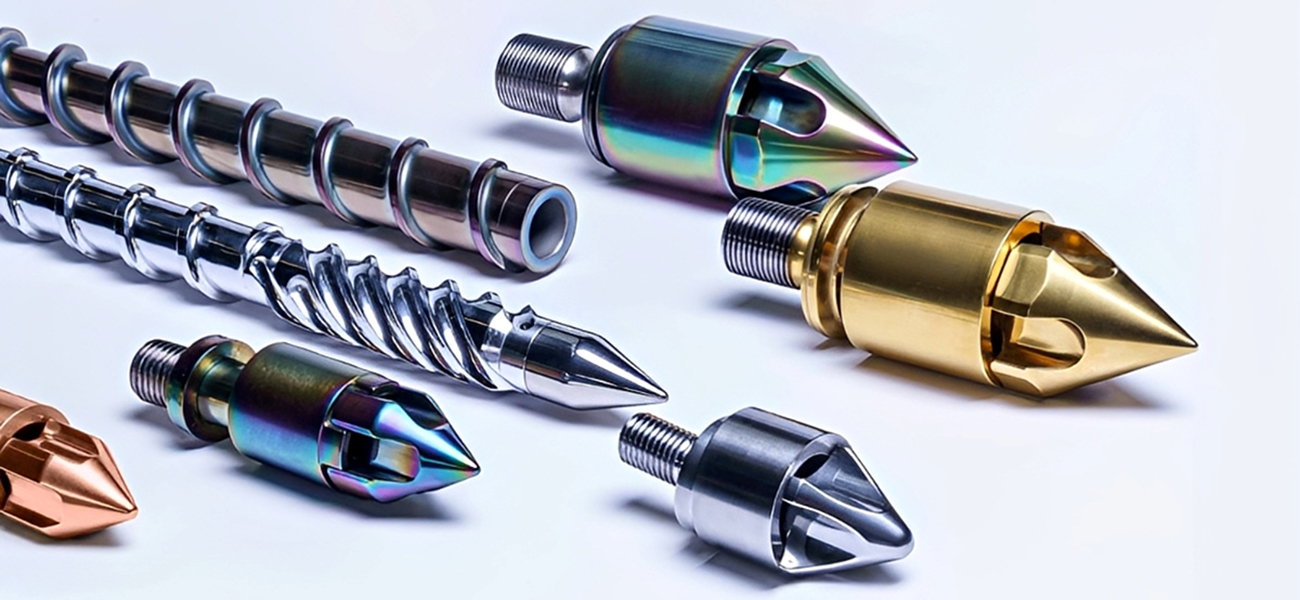
MIM PVD Coating
PVD Coating
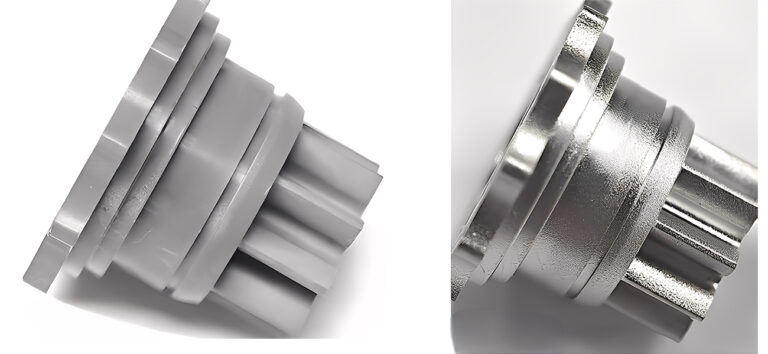
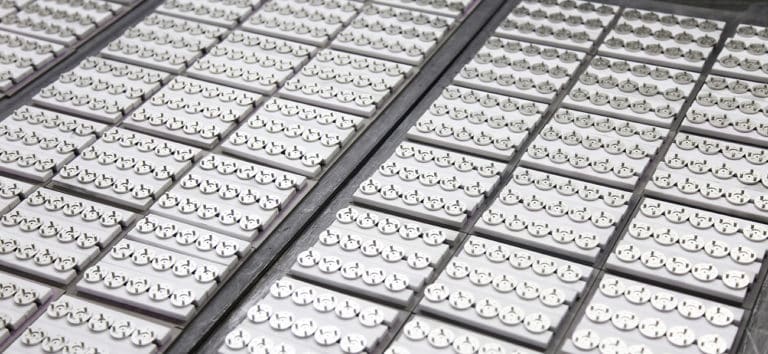
PVD coating (Physical Vapor Deposition) is a thin film deposition technology, where the solid materials are vaporized in a vacuum environment and deposited on the substrates as a pure material or alloy composition coating. MIM PVD process transfers the coating materials as a single atom on the molecular level, providing extremely pure and high-performance coating on MIM parts.
Common PVD Process
PVD coating processes are under vacuum conditions. The common process involves four steps: Evaporation, Transportation, Reaction, and Deposition.
Evaporation: the high-energy source, such as electron or ion beams, can bombard the target materials to dislodge atoms from the surface.
Transport: the movement of vaporized atoms requires precise timing and positioning of the substrates.
Reaction: reactive or inert gases create a strong bond between the coatings and the substrates for the required results.
Deposition: builds up the coating on the required substrate with a few microns of thin-film.
5 Types of PVD Coating
Thermal Evaporation Deposition
Thermal Evaporation elevates the coating materials in a high vacuum environment, then condenses them on the substrates. It allows the vapor particles to travel directly to the substrate with minimal collision, which creates a pure metallic coating with precise layer thickness.
Electron-Beam PVD (EBPVD)
Electron-beam PVD applies the focused electron beam to evaporate the coating materials. The technique provides higher vaporization rates and easily handles coating materials with high melting points. This process produces a pure coating with excellent adhesion, which is ideal for aerospace components and optical applications.
Sputtering Deposition
Sputtering Evaporation applies a high-energy electrical charge to sputter off atoms or molecules of coating materials, which are then deposited on the substrates. This process offers excellent film composition and thickness control, which is the preferred choice for semiconductor manufacturing and advanced electronics.
Pulsed Laser Deposition (PLD)
PLD ablates the coating material from the target surface by high-power laser pulses. This method provides exceptional control over film stoichiometry, which is valuable for depositing complex materials.
Cathodic Arc Evaporation
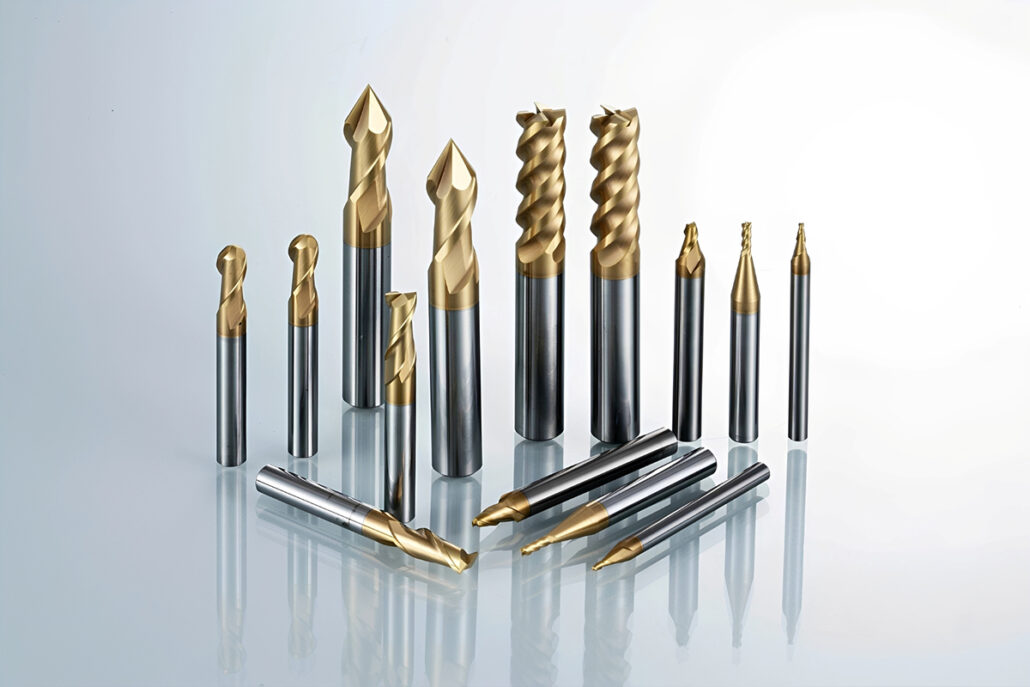
The technique applies the electrical arc to create highly ionized plasma at the target surface. This coating has excellent adhesion and density, it is ideal for wear-resistant applications, such as cutting tools and mechanical components.
PVD Colors&Materials
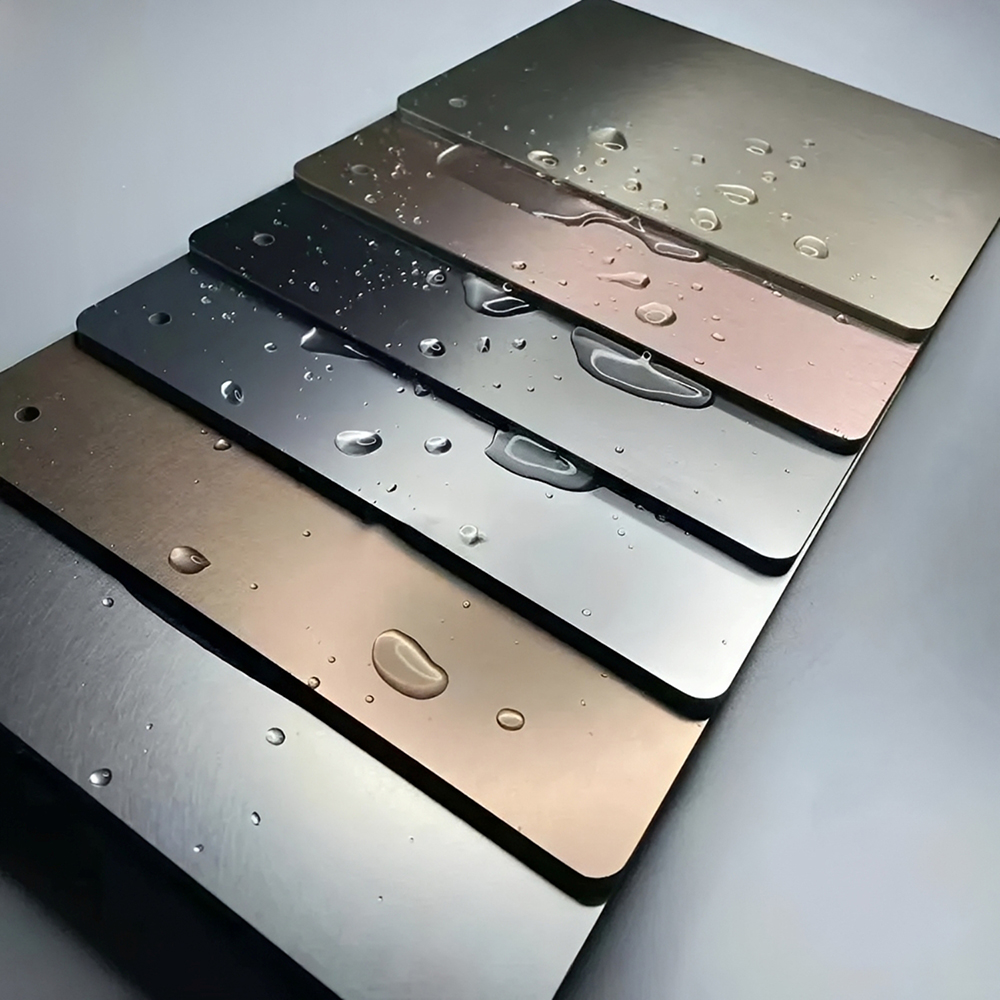
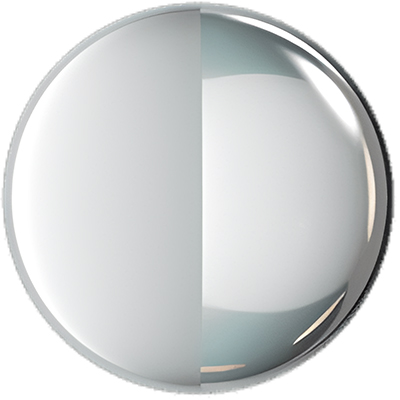
PVD Color
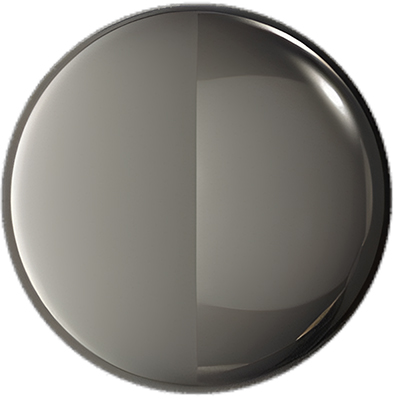
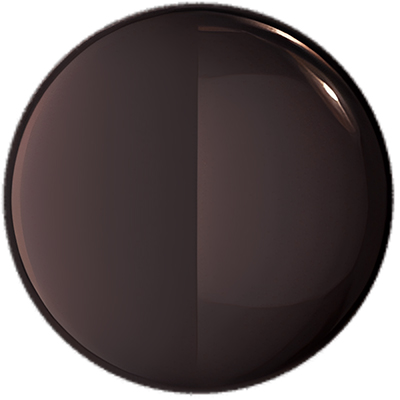
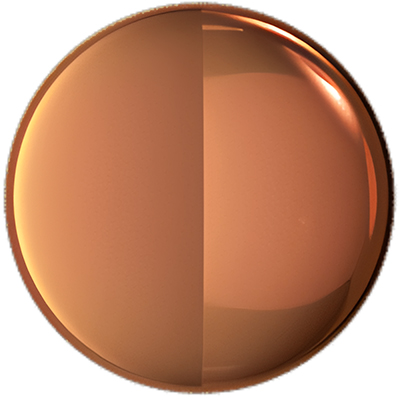
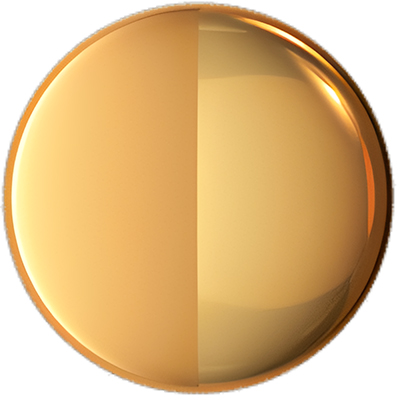
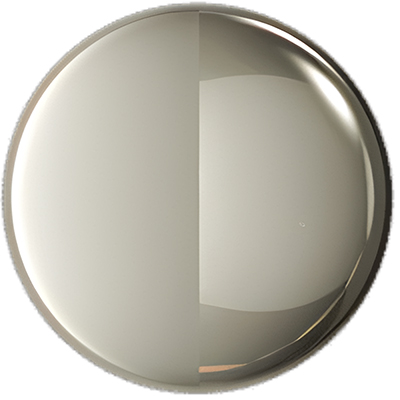
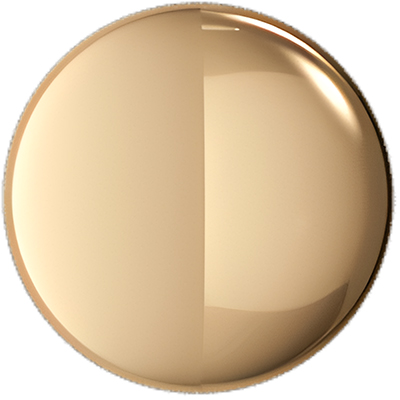
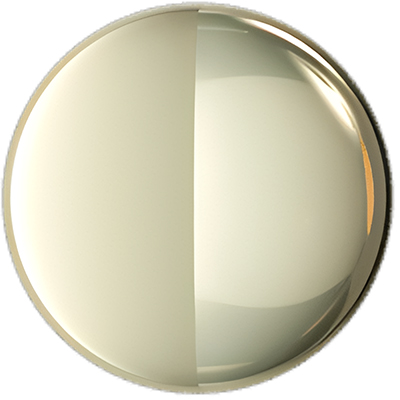
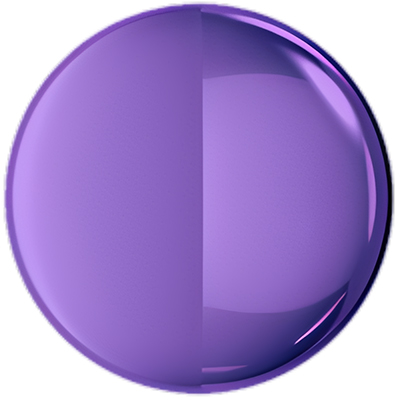
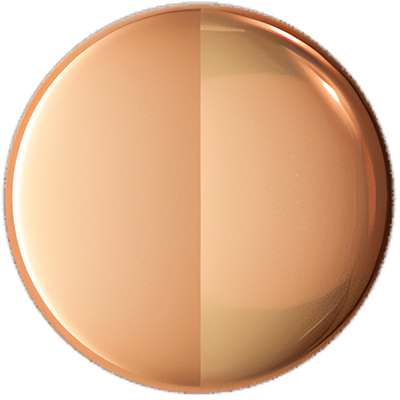
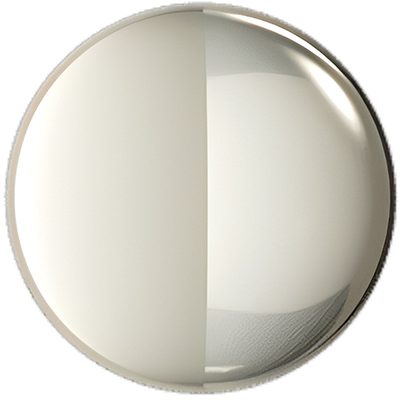
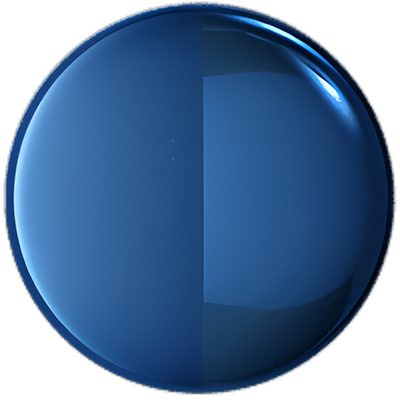
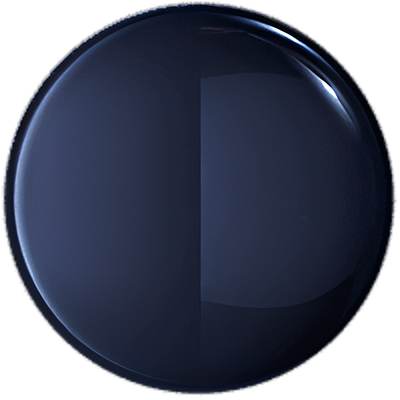
PVD Materials
| Coating Materials | CrN | TiN | TiCN | ZrN | ZrOC | a-C:H DLC | A-C:H:W DLC |
| Name | Chromium Nitride | Titanium Nitride | Titanium Carbonitride | Zirconium Nitride | Zirconium Oxy-Carbide | Diamond-Like Carbon | W-DLC |
| Color | Metallic silver | Metallic gold | Gray | Nickel to pale-gold/brass | Dark gray to black | Graphite to black | Various grays |
| Coating hardness | 14-25 GPa1400-2500 HV | 20-30 GPa2000-3000 HV | 28-38 GPa2800-3800 HV | 25-27 GPa2500-2700 HV | 17-21 GPa1700-2100 HV | 15-23 GPa1500-2300 HV | 8-15 GPa800-1500 HV |
| Thickness Range | Typical 1-10 microns | Typical 1-5 microns | Typical 1-5 microns | Typical 1-5 microns | Typical 1-5 microns | Typical 1-4 microns | Typical 1-4 microns |
| Max Temperature | 700℃ | 600℃ | 400℃ | 600℃ | 600℃ | 300℃ | 300℃ |
| Bio-compatibility | Yes | Yes | Yes | Yes | Yes |
Durable & Corrosion & Scratch Resistance
As applied to the atomic level of coatings, PVD can control the structure, density, and stoichiometry of films. Certain materials and processes can develop specifically desired characteristics of deposited films, such as hardness, lubricity, adhesion, and so on. PVD coating reduces friction and protects the barrier against damage. The applications of these coatings are aerospace, automotive, defense, and manufacturing, where long-lasting durability is crucial.
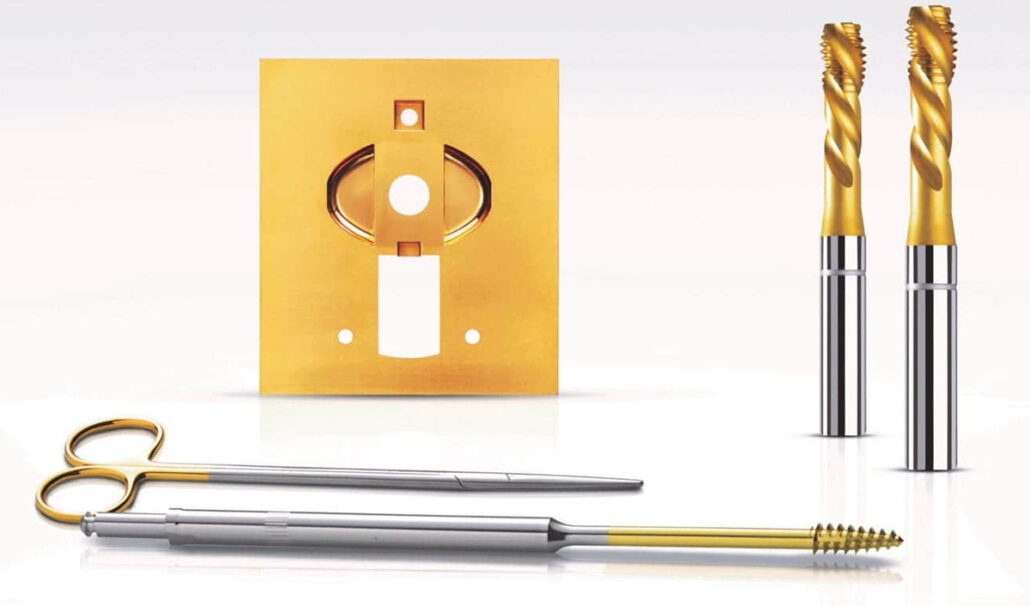
PVD layers are also highly resistant to tarnishing and corrosion, which makes them suitable for decorative finishes without fading. The PVD gold or platinum coating provides brilliant finishes with high resistance to scratches and scrapes. Titanium nitride and similar coatings provide beautiful finishes with corrosion and wear resistance. This is ideal for household items like door handles, plumbing fixtures, machining tools, knives, and drill bits.
PVD provides extremely pure, clean, and durable coating, it is a suitable technology for the surgical and medical implant industries.
Application of PVD Coating
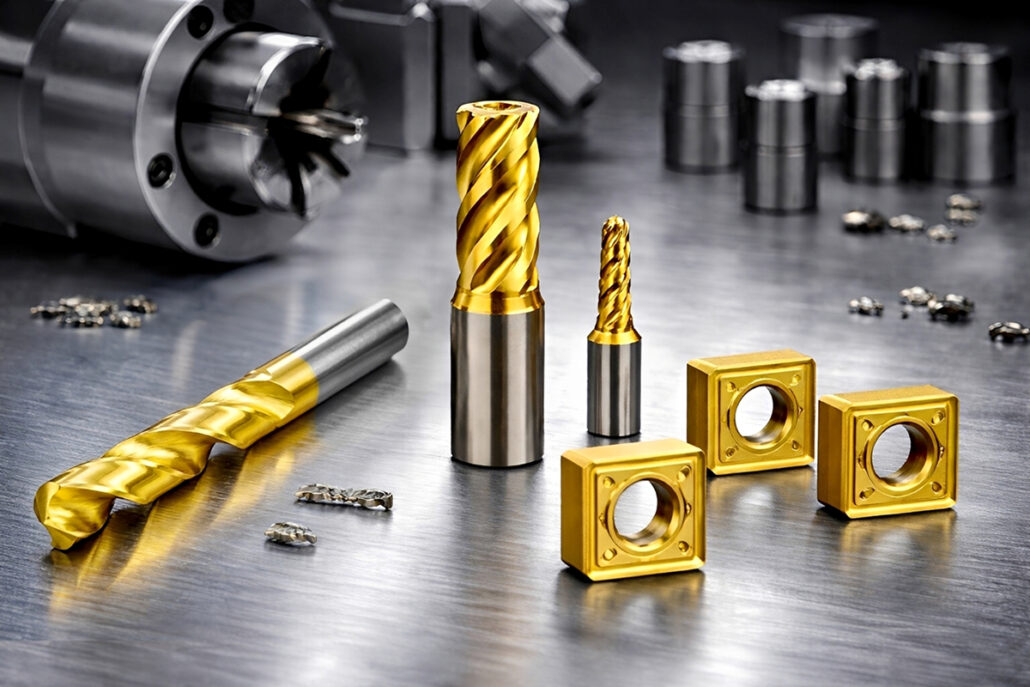
Industrial Tools and Equipment
PVD coatings can enhance hardness, reduce friction, and improve thermal stability. These properties can extend the lifetime of industrial tools such as drill bits, molds, and dies.
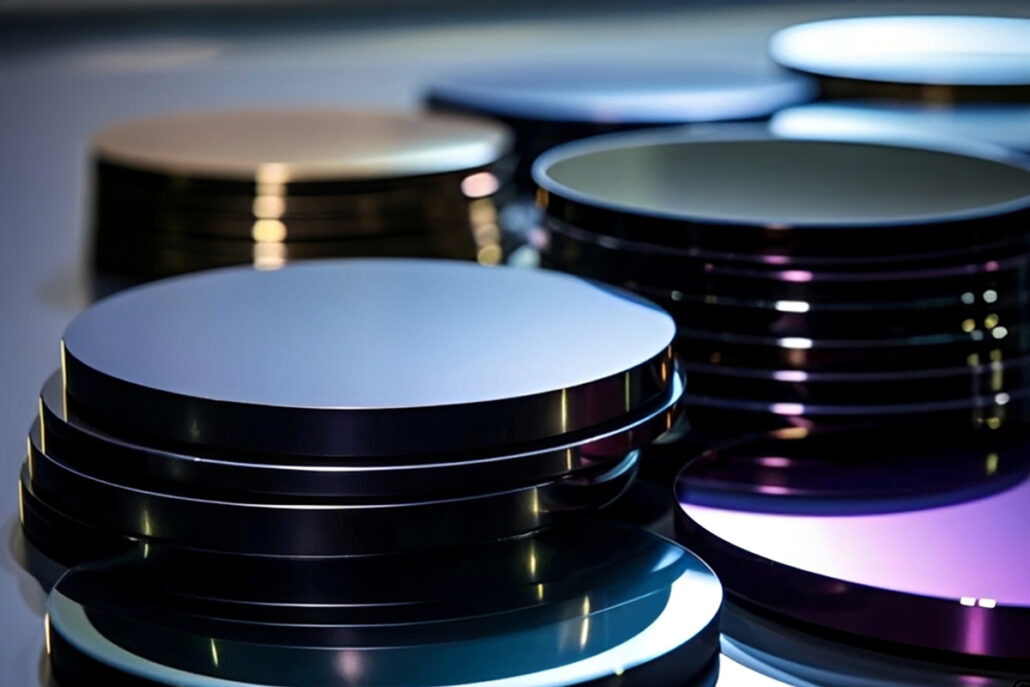
Semiconductor&Eletronic Industry
PVD can create the intricate layers for modern electronic industries, the precision and purity in PVD are critical for maintaining the stringent manufacturing requirements.
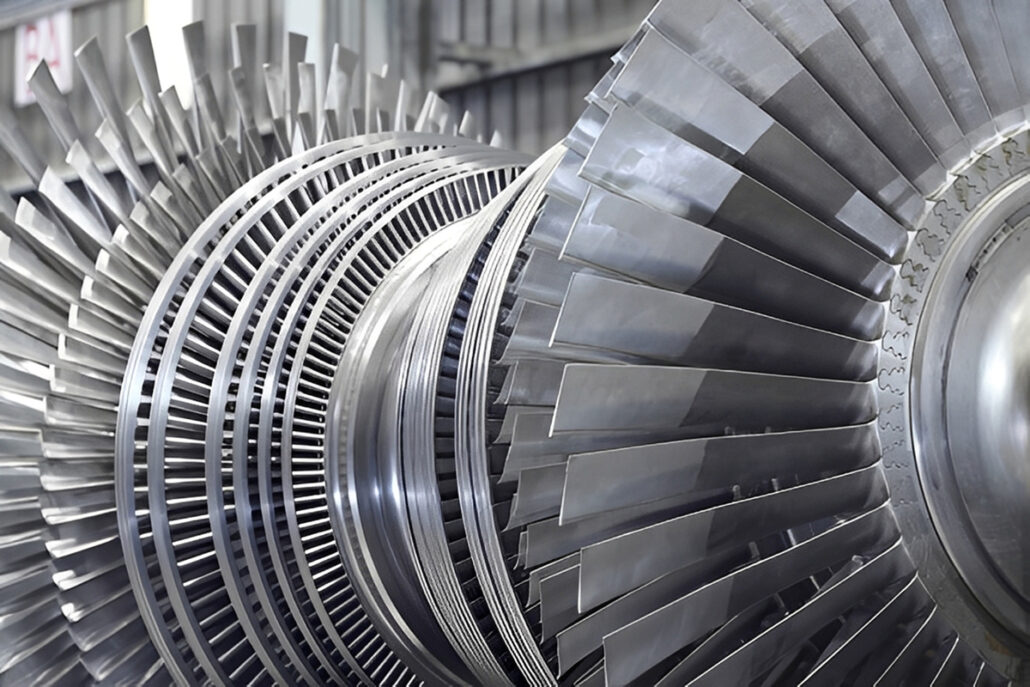
Aerospace Industry
PVD coating can protect the critical components from corrosion, wear, and extreme temperatures in the aerospace industry, such as turbine blades, landing gear, and engine parts. These PVD films ensure the operational efficiency and extend the lifespan of high-stress components.
Automotive Industry
In the automotive industry, PVD coatings not only improve the performance of engine parts, fuel systems, and tools, but also provide sleek finishes for trims and interior components.
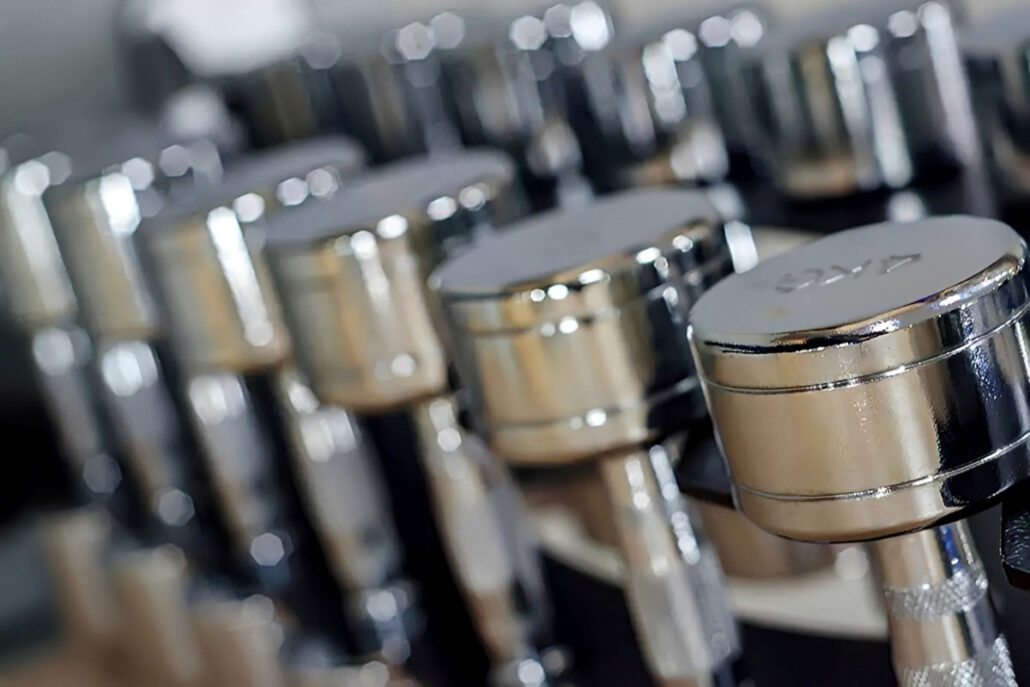
Medical Devices
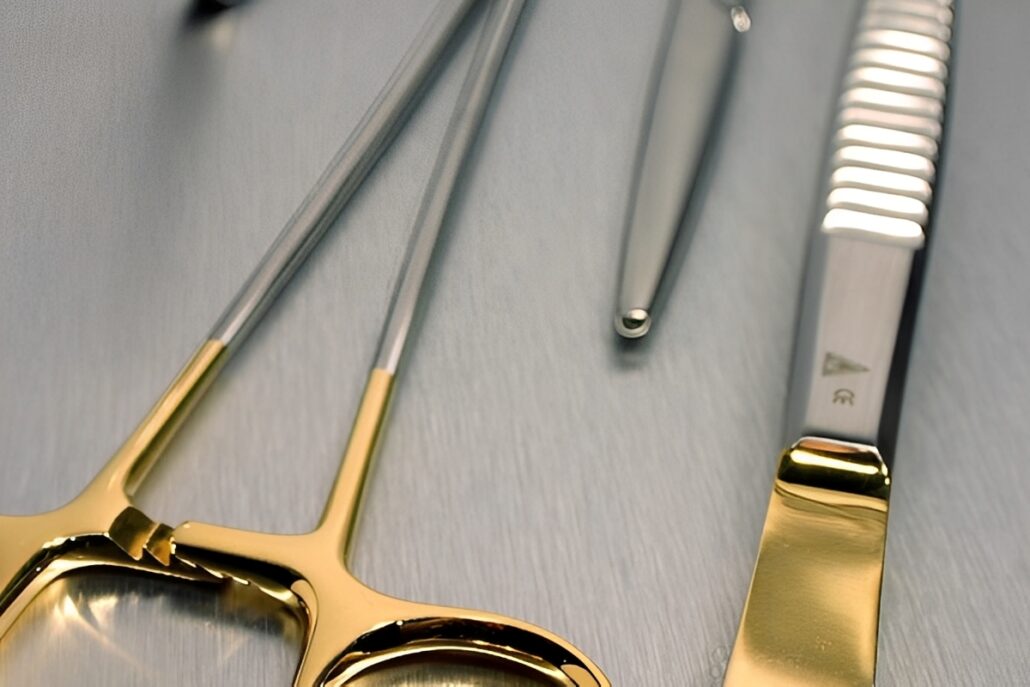
PVD coatings can improve the bio-compatibility, sterilization, and wear resistance of medical devices, and ensure patient safety and device reliability. These medical devices include: surgical tools, orthopedic implants, and stents.
Decorative and Protective Coating
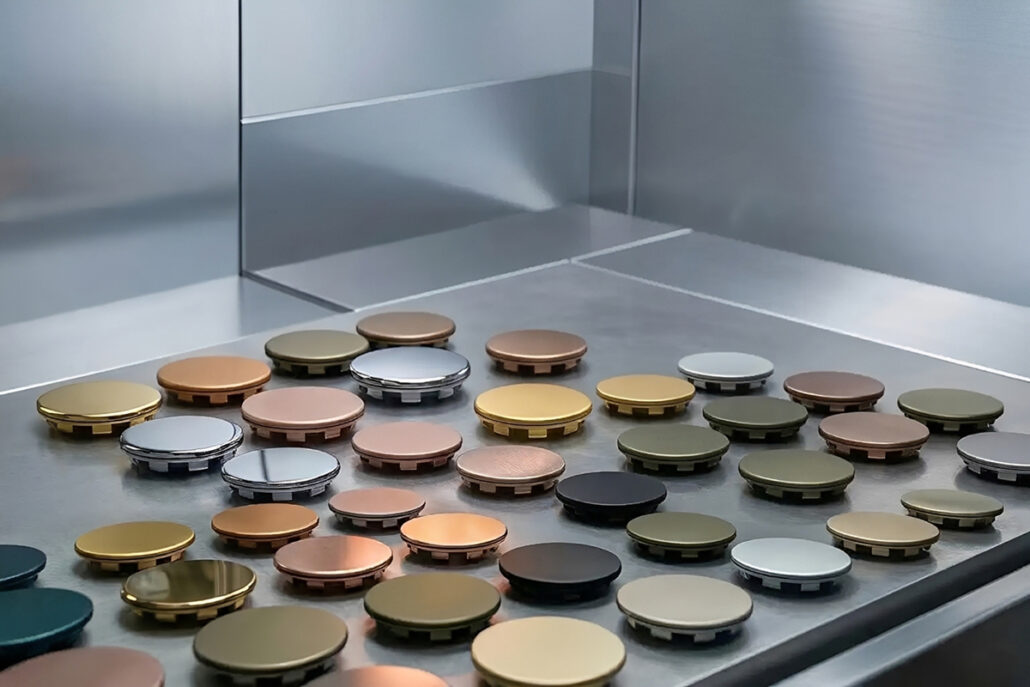
PVD coating also creates attractive, durable finishes with different colors for consumer products, architectural elements, and luxury goods. These coatings combine aesthetic appeal with practical advantages of scratch protection, corrosion resistance, and color stability.
Advantage of PVD
PVD provides numerous advantages for different applications:
- Exceptional Coating Quality: dense and uniform films with excellent adhesion
- Environmental Friendliness: no harmful chemicals with minimal waste
- Versatility: deposit any type of virtual materials on most substrates
- Precise Control: manipulation of coating thickness and properties
- Superior Performance: coating with enhanced hardness, wear resistance, and durability
- Low Process Temperature: minimize thermal stress on substrates
- Excellent Reproducibility: ensure consistent results
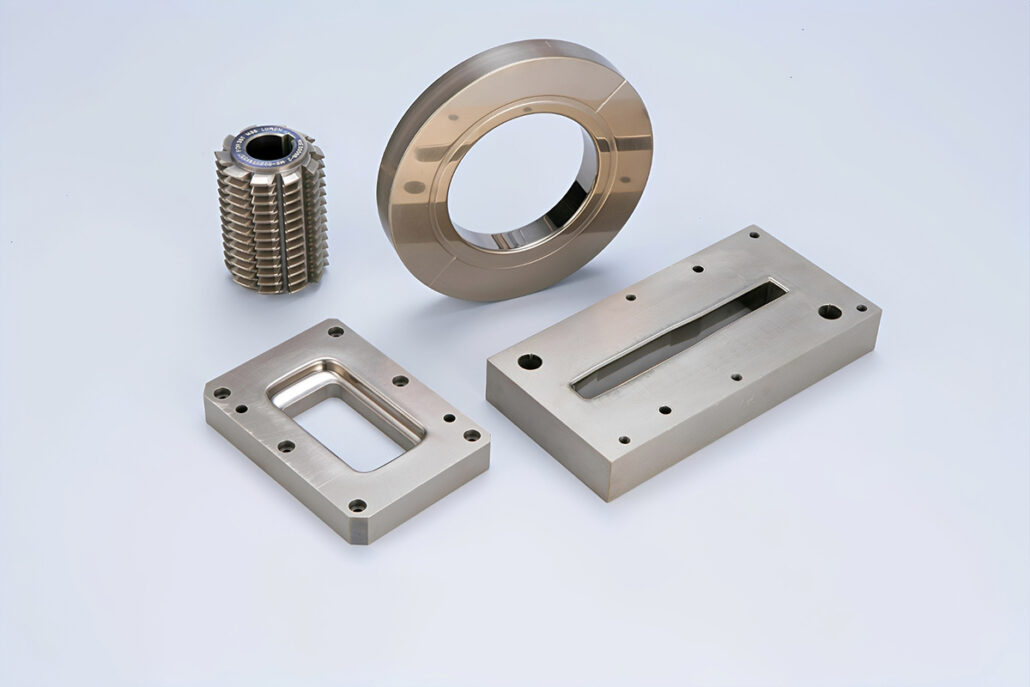
Two-Color PVD in MIM
Dual-Color PVD
PVD Two-Color Coating: apply PVD coating technology to create one or more metal layers, two-color PVD coating can create two different color layer one the same stainless steel products. PVD not only provides multiple color options, but also increases the wear and corrosion resistance.
PVD dual-color technology is an advanced physical vapor deposition method, which utilizes the the particle colored coating in the vacuum environment to form two distinct color coatings on the substrate surfaces. This technology enables the gradient, spliced, or patterned dual-color effects on the same workpiece with decoration and function. Its core advantages are strong adhesion coating, stable color retention, and environmental friendliness.
Dual-color PVD Coating Application
PVD dual-color technology breaks through the traditional monochrome limitations by innovative methods, like masking technology and angular deposition. The nano-sized coating control technology ensures the natural transition at junction areas.
Conclusion
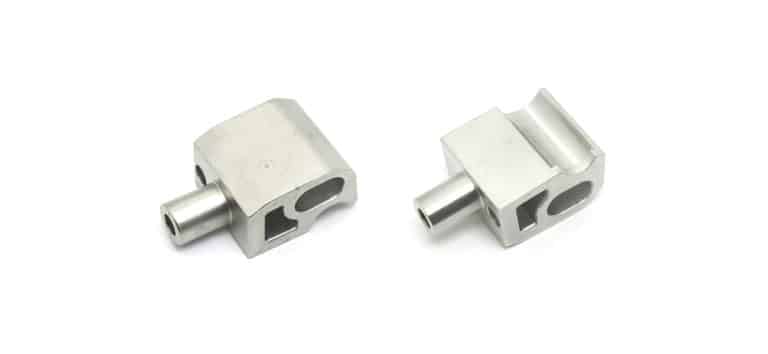
Metal injection molding combined with PVD coating can provide specific metal parts with the required color and appearance. In addition, PVD-coated MIM parts have better mechanical properties than common parts.
ZCMIM has excellent experience in MIM production with PVD coating. Contact us for your MIM project now.